

 CH
CH

Despite affecting millions of people worldwide, inflammatory bowel diseases (IBD), including Crohn’s disease and ulcerative colitis, remain complex conditions whose causes are still not fully understood 1. World IBD Day (19 May) highlights the urgent need for continued research into these chronic diseases and the biological mechanisms that underpin them.
One of the most important and rapidly evolving areas of IBD research is the human gut microbiota. This diverse microbial ecosystem plays a crucial role in maintaining health and metabolism, contributing to processes such as the production of short-chain fatty acids, amino acids, vitamins, and other bioactive metabolites essential for host function. Disruption of this ecosystem, known as dysbiosis, is increasingly recognised as being closely associated with IBD2. However, accurately characterising the gut microbiota remains technically challenging.
The majority of gut bacteria are obligate anaerobes and are rapidly killed in the presence of oxygen. Traditional microbiological workflows, which often involve exposure to atmospheric conditions during sample handling and processing, risk losing key microbial populations, particularly those most relevant to gut health and disease. To overcome this, researchers require systems that maintain a consistently oxygen-free environment to ensure accurate results.
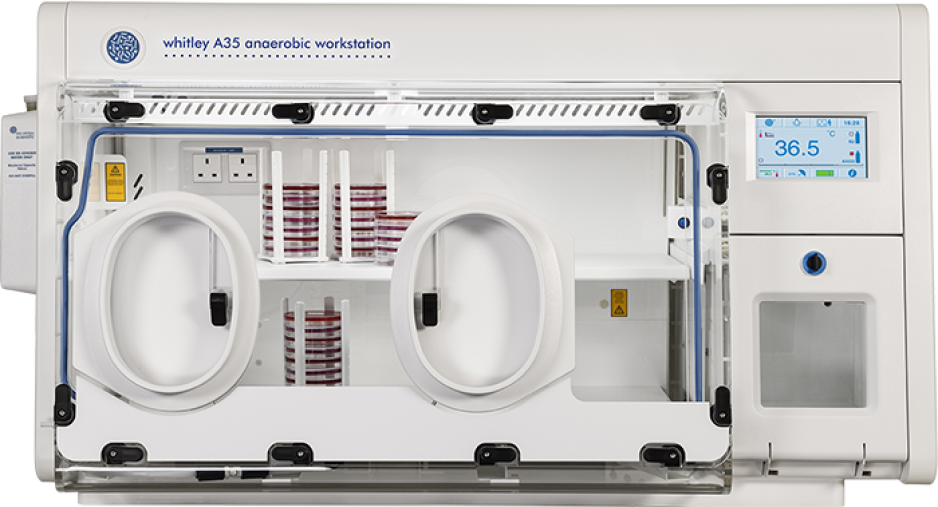
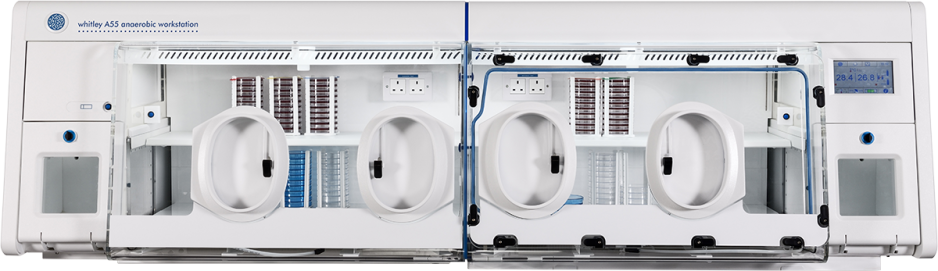
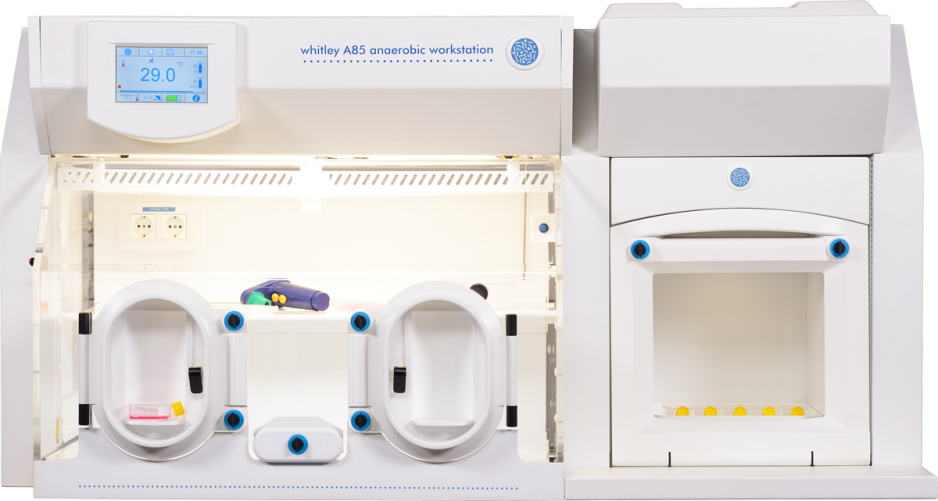
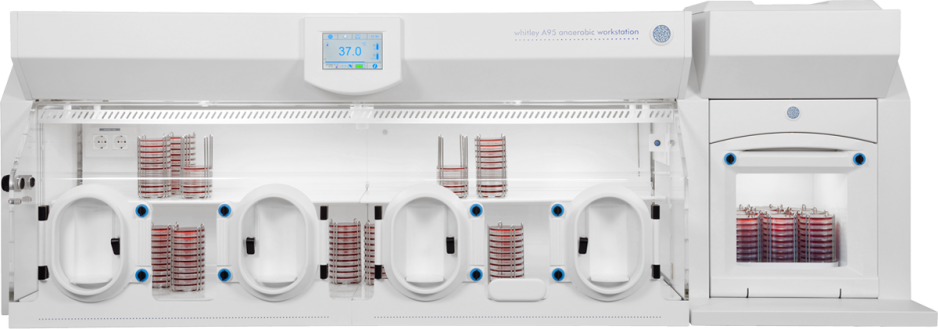
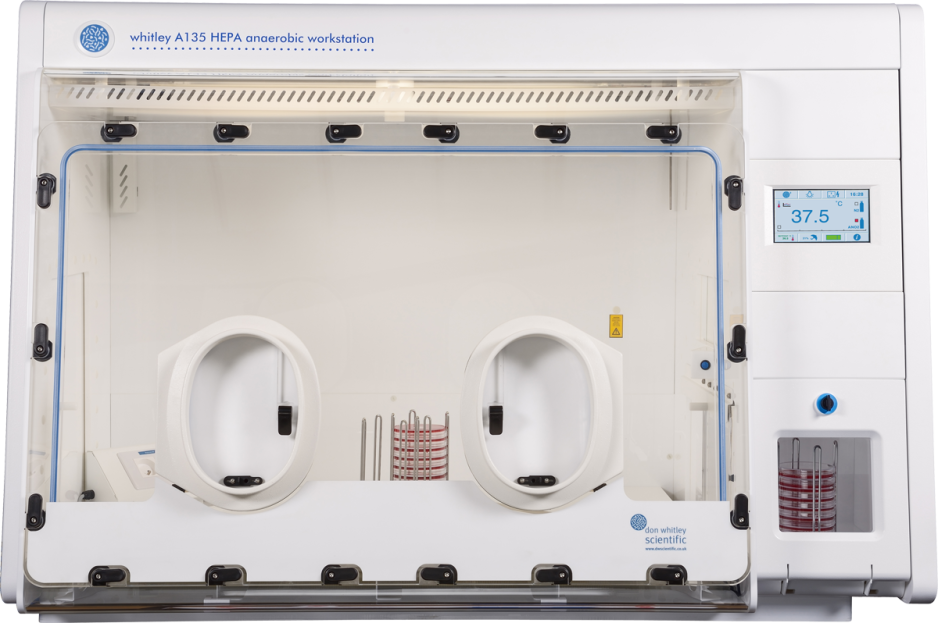
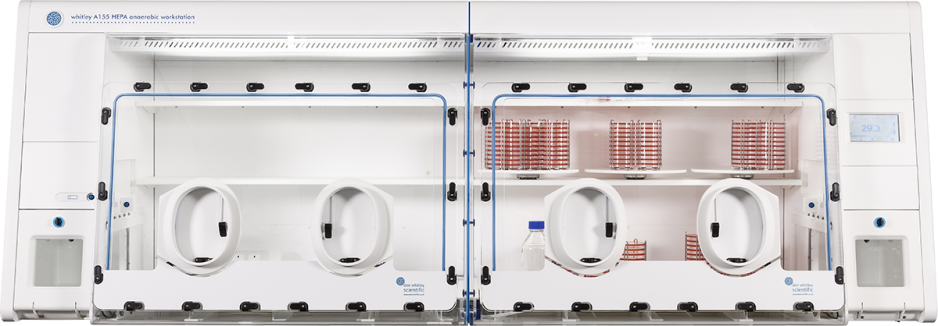
A recent study by Plomp et al. at the University Medical Center Groningen explored how combining culturomics with metagenomic sequencing can enhance our understanding of the gut microbiome. Faecal samples from 32 participants (including both IBD and non-IBD cohorts) were collected using COPAN eSwabs in Amies medium, with glycerol added to preserve bacterial viability prior to freezing and downstream analysis. From these samples, researchers generated an extensive collection of 4,347 pure bacterial isolates, including 1,362 from IBD patients and 2,985 from non-IBD individuals. The majority of isolates (3,552 in total) were recovered under strict anaerobic conditions, with anaerobic processing and incubation carried out using the Whitley A35 Anaerobic Workstation. These isolates represented a wide range of gut-associated phyla, including Bacillota, Bacteroidota, and Actinomycetota, key groups known to play important roles in gut function and host health 2.
One of the most significant outcomes of the study was the clear impact of culture methodology on microbial diversity. By applying multiple culture conditions while maintaining strict anaerobic environments throughout processing, the researchers were able to recover substantially greater microbial diversity than would be achievable under standard laboratory conditions. In total, at least 201 bacterial species were identified, with over 80% of isolates obtained under anaerobic culture conditions, strongly reinforcing the importance of oxygen-free atmospheric conditions when studying the gut microbiome. The study also demonstrated that methodological refinements, such as direct inoculation approaches, can significantly improve species’ richness across key bacterial groups, highlighting how small procedural differences can significantly influence microbiological outcomes 2.
Plomp et al.’s research further demonstrated the value of combining culturomics with metagenomic sequencing. While both approaches identified overlapping bacterial genera, each also revealed unique organisms not captured by the other, resulting in a more comprehensive view of microbial diversity. Importantly, this integrated approach generated a large and well-characterised collection of gut bacteria from both healthy and diseased cohorts, providing an important platform for future investigation into microbial community dynamics in IBD. It also enables deeper exploration of strain-level differences within species and their interactions with the host, a critical step towards understanding how specific bacteria may contribute to disease onset, progression, or protection 2.
As microbiome research continues to advance, it is becoming increasingly clear that replicating physiological conditions in vitro (throughout sampling, culture, and analysis), alongside the integration of complementary molecular approaches, is essential to future research. By enabling accurate recovery of oxygen-sensitive organisms, technologies such as anaerobic workstations play a key role in this process, helping researchers move closer to understanding how specific microbial communities contribute to IBD, and how they may ultimately be targeted therapeutically.
References
- NHS England. Inflammatory Bowel Disease. [Online]. London: NHS England; [accessed 21 April 2026]. Available from: https://www.nhs.uk/conditions/inflammatory-bowel-disease/
- Plomp, N, Gacesa, R, Slager, J, et al. Synergy between culturomics and metagenomics of health status associated gut bacteria originating from non-IBD and IBD populations. Scientific Reports. 2025 Nov 27;15 (45469).



 England