

 CH
CH
“There can be few microbiologists in the world who have not used something in which Don has had a hand.”
Almost 20 years ago, our Managing Director Paul Walton paid tribute to his father and our founder with these words, and they remain as relevant as ever today. As we approach our 50-year anniversary this June, this sentiment perfectly captures Don’s impact: not only in creating products that have supported major research projects, but in shaping the very environments that allow microbiology to progress.
Join us as we take a journey through five decades of facilitating research, from routine lab culture to advanced clinical studies, reflecting on key breakthroughs and milestones along the way…
Building the Foundations (1970s to 1980s)
Don’s Early Inventions in Anaerobic Culture
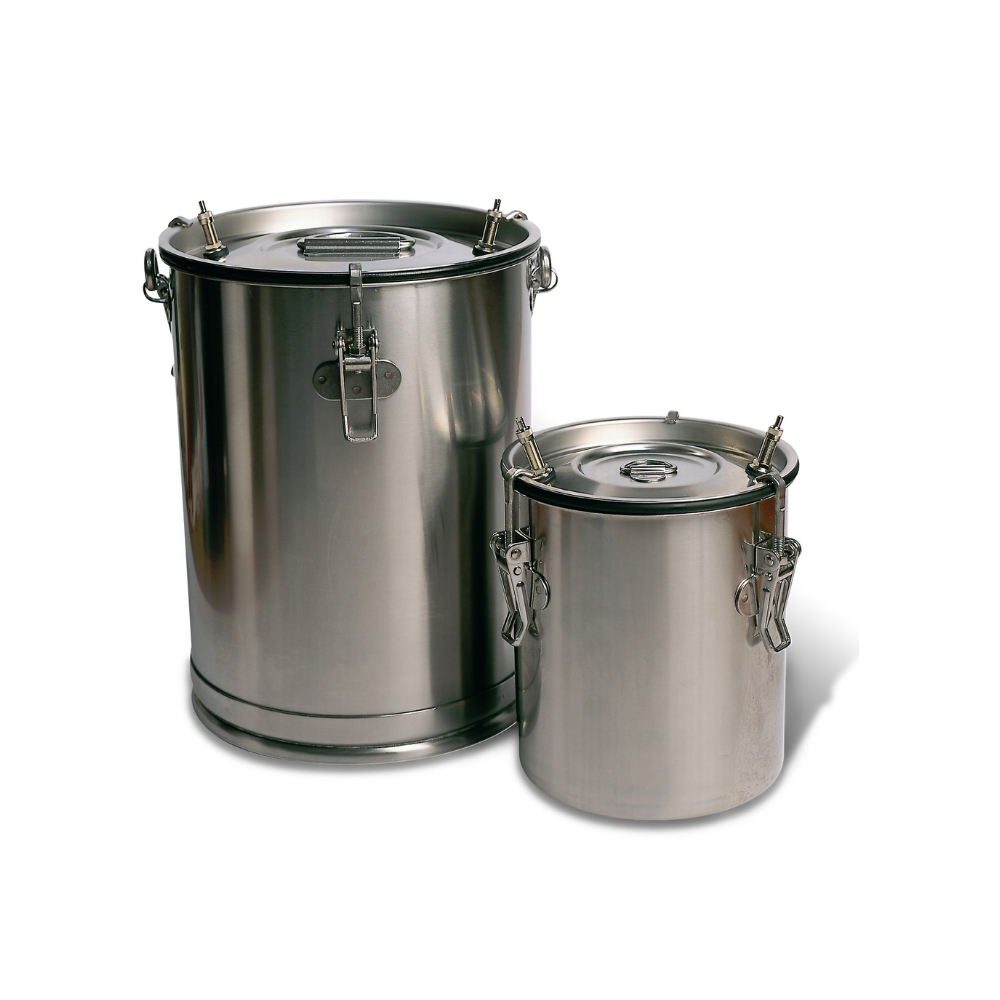
Our journey begins in 1976, when Don was granted a patent for incorporating modified, high-performance Schrader valves into anaerobic jars. His innovation became the standard issue across UK Public Health Laboratories and facilitated a reliable, consistent, and dependable method for generating anaerobic conditions.
Alongside this, Don developed hydrogen-generating gas kits that produced the precise mixtures of hydrogen and carbon dioxide needed for anaerobic atmospheres, simplifying a process that previously required bespoke preparation. He also introduced a low-temperature catalyst sachet, designed to remove oxygen without the high heat associated with conventional catalysts. By operating at much lower temperatures, the sachet reduced the risk of catalyst-related overheating and the potential for dangerous gas ignition that could occur when hydrogen and oxygen were present in sensitive proportions, improving safety for laboratory users and extending catalyst life.
Together, these early advancements standardised key aspects of anaerobic practice, reducing technical barriers and safety risks so that microbiologists could focus on discovery rather than atmosphere management.
 First Variable Atmosphere Workstation
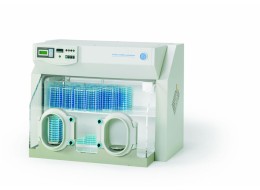
1981 marked a significant milestone for Don Whitley Scientific (DWS) with the introduction of the “VA” workstations, the company’s first systems to offer truly variable atmospheric control, enabling independent adjustment of oxygen, carbon dioxide, hydrogen and temperature. Designed to maintain the high-humidity, low-oxygen conditions required for fastidious microaerophiles such as Campylobacter and Helicobacter, these workstations expanded what researchers could successfully culture in the laboratory.
Found in around half of the global population, Helicobacter pylori is typically harmless but can cause peptic ulcer disease and is strongly associated with gastric cancer, making it a critical organism for study. By providing stable, physiologically relevant conditions, the VA workstation enabled more reliable investigation into its role in gastrointestinal disease. This capability marked an important step towards recreating in vivo environments in the lab, a progression that would later shape the development of advanced controlled-atmosphere technologies.
Recreating Physiological Conditions in the Lab (2000s to early 2010s)
Building on Don’s early inventions, we turn to the impact of Don Whitley Scientific’s (DWS) hypoxic workstations, which were, and still remain, critical to many studies in cancer research.
Understanding the Role of Hypoxia in Tumour Biology and Development of Anti-Cancer Therapeutics
In 2012, Dr Roger Phillips, based at the University of Bradford’s Institute of Cancer Therapeutics, explained how he utilised an H35 Hypoxystation to control levels of oxygen in his work with tumours.
When carrying out any type of cell research, scientists aim to recreate the same conditions as found in the body within the laboratory. The H35’s ability to offer precise control of oxygen and carbon dioxide concentration (as well as temperature and relative humidity) allows cells to be manipulated without altering the incubation environment. When investigating the anti-cancer effects of different compounds on cellular assays, the Hypoxystation enabled cells to be maintained under hypoxic conditions during drug exposure and afterwards, allowing longer-term effects to be observed. By enabling essential flexibility in experimental design, Dr Phillips confirmed the Hypoxystation’s key role in the development of anti-cancer therapeutics and increased understanding of the role of hypoxia in tumour biology. His studies at the Bradford Institute later led to two drugs entering clinical trials, a recognisable milestone in modern tumour research and treatment.
Uncovering How Tumour Microenvironment Shapes Cancer Progression
The Whitley Hypoxystation also played a significant role in Professor Janine Erler’s cancer research. Now Professor of Cancer Biology at the University of Copenhagen, Janine has recognised the H35 Hypoxystation as “essential for maintaining the precise hypoxic conditions required for my cancer research,” having used Whitley Workstations for over 18 years. The H35 enabled her team to culture cancer cells under stable low-oxygen conditions, which was critical to uncovering how hypoxia drives metastasis. She noted that “several of our key publications were enabled by the reliability and consistency of the workstation, which ensured that our hypoxia-driven phenotypes were biologically meaningful and reproducible.” She added that the H35 supported some of her team’s most significant findings on how the tumour microenvironment shapes cancer progression, describing it as “a trusted cornerstone of our experimental workflow for nearly two decades.”
Together, these findings helped deepen understanding of tumour cell biology, marking a significant step forward in modern cancer research.
Enabling Research Translation Under Regulation (2000s to 2010s)
Good Manufacturing Practice (GMP) Workstations
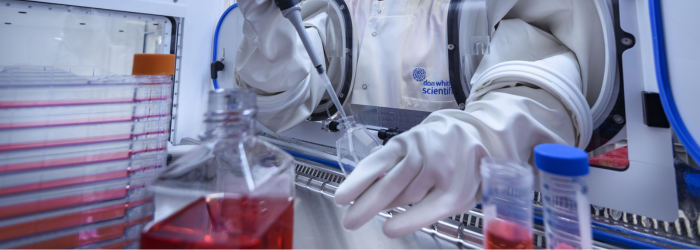
By combining the operational benefits of a biological safety cabinet with those of a positive-pressure modified atmosphere workstation, DWS developed GMP-compliant workstations. Applications for the Whitley GMP Hypoxystation fall within the field of cell and gene therapy, including stem cell creation, cancer therapies requiring hypoxia, and T-cell applications. This research sits at the forefront of disease prevention and treatment for conditions such as cancer, rheumatoid arthritis, diabetes, Parkinson’s disease, and Alzheimer’s disease.
Building on this success, DWS responded to growing demand within the pharmaceutical industry for strictly controlled, closed-atmosphere environments. The result was the Whitley GMP Processing Suite (WGMPPS): a modular system designed to deliver a fully customised solution for the manufacture of Advanced Therapy Medicinal Products. The isolators are configured as a continuous production line, ensuring the internal environment remains uncompromised from the start to the end of the manufacturing process. As a fully closed, recirculating isolator system with VHP decontamination, the suite can operate within a Grade D background.
Together, these developments have enabled the DWS team to move beyond existing limitations, opening the door to new technologies and innovative processes.
Facilitating Translational Impact (2010s to Present)
As we move through the decades, the evolution of Whitley Workstations supported research not just from the laboratory but in a clinical setting.
New Clinical Trials for Cystic Fibrosis Patients
In 2014, groundbreaking research at Queen’s University Belfast, involving anaerobic workstations, led to new insights into cystic fibrosis (CF) that were later applied to patient care.
Researchers at the School of Pharmacy and the Centre for Infection and Immunity discovered that the lungs of people with CF were host to many different types of bacteria. As part of the identification process, patient samples were processed using Whitley A35 and A45 Workstations, helping to reveal how different bacterial strains affect CF patients. This work contributed to a series of subsequent breakthroughs, including the development of four cystic fibrosis therapies, with the most recent clinical trials demonstrating that combination drug treatments can benefit up to 90% of people with CF.
New Treatment for Clostridioides difficile Infection Approved
Similar shifts were seen internationally, where biotechnology company BiomeBank announced a world first donor derived microbiome drug for the restoration of gut microbiota in the treatment of recurrent Clostridioides difficile infection (CDI) in 2021.
During the development of their live biotherapeutic product pipeline, the team used a Whitley A55 HEPA Anaerobic Workstation to culture, isolate and study anaerobic microorganisms associated with CDI, aiding a better understanding of the underlying disease processes. The workstation’s ability to maintain stable anaerobic and humidity-controlled conditions was critical in monitoring oxygen fluctuations, with Research Scientist Rueben Wheeler noting that the system enabled the culture of far more fastidious, obligate anaerobes than other cabinets. Following TGA regulatory approval in Australia in 2022, the drug, BIOMICTRA, was subsequently manufactured at scale to meet immediate medical need.
Proton Beam Therapy Cancer Treatment
In 2018, DWS worked closely with the University of Manchester to design and install a bespoke Hypoxystation tailored to the specific demands of their Proton Beam Therapy (PBT) research programme. The system incorporated a 6-axis industrial robot arm, enabling automated handling of biological samples under precisely controlled hypoxic conditions and supporting high-throughput experimentation during limited beamtime. By helping researchers maximise experimental efficiency, the workstation played a role in accelerating the translation of PBT towards clinical use. This treatment now has the potential to improve the precision of radiotherapy, reducing side effects, speeding up recovery, and delivering better outcomes for patients with radio-resistant hypoxic tumours.
Looking to the Future of Research (2026 and beyond)
Having reflected on these research breakthroughs and milestones, it’s clear to see the significant impact Don’s original ideas, and the innovations that followed, have had on the research landscape today. What began in 1976 laid the foundation for decades of discovery, supporting microbiologists from early-stage research through to patient treatment.
Whilst DWS has grown far beyond a spare room in Shipley, we’re proud that collaboration remains at the heart of the company. Teams across laboratories, R&D, CNC machine shop and more continue to work closely with researchers, supporting their work and ongoing development of treatment approaches. We look forward to discovering what the next 50 years of research facilitation will hold.





 England