

 CH
CH
Debajit Dey was recently awarded with the Don Whitley Scientific (DWS) Travel Grant to present his research on A. muciniphila’s unique mucin metabolism at the Wellcome Connecting Science: Microbiome Interactions in Health and Disease Conference in Cambridge, UK.
We asked Debajit to share more about his work:
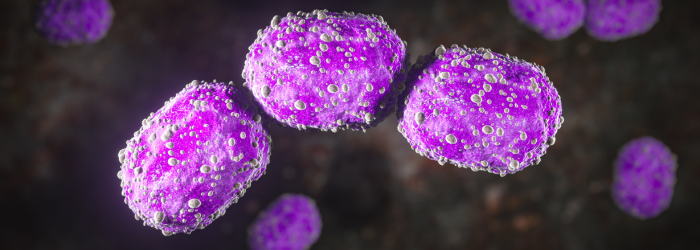
"Akkermansia muciniphila is an anaerobic, obligate mucin-degrading bacterium that serves as a prominent member of the human colonic microbiota and is widely associated with positive health outcomes. To thrive in the gut, A. muciniphila must break down complex mucin glycoproteins, which contain heavily sulfated O-glycans that form the protective colonic mucus layer. This metabolic process requires specialised carbohydrate sulfatases to remove sulfate groups; however, the specific roles, structural adaptations, and cellular locations of these enzymes have remained largely opaque. My project was to characterise the A. muciniphila carbohydrate sulfatases to understand their unique mechanisms for metabolising heavily sulfated colonic mucins and how they differ from other gut bacteria.
A key part of my work involved biophysical and structural studies, which are instrumental in analysing enzyme kinetics and determining the 3D structures of these sulfatases. We characterised the substrate specificity of eight S1 sulfatases and discovered a novel carbohydrate-binding module (CBM) that specifically binds colonic mucin. My research has revealed that A. muciniphila requires specific glycopeptide forms of mucin for robust growth and restricts certain desulfation activities exclusively to the periplasm.
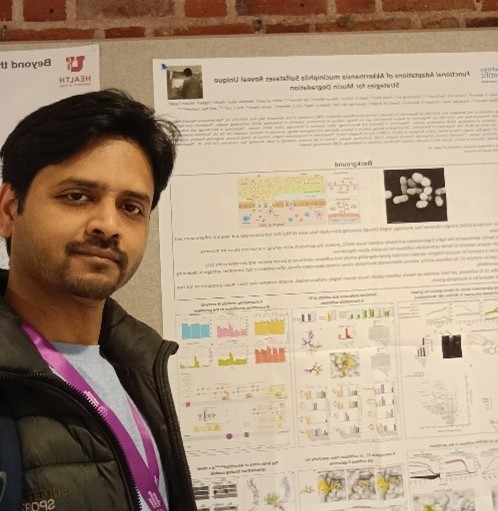
I was thrilled to present my findings at the Wellcome Connecting Science: Microbiome Interactions in Health and Disease conference (2-4 March, 2026) at the Hinxton Hall Conference Centre, Wellcome Genome Campus, in Cambridge, UK. My work on the structural biology of Akkermansia sulfatases at the event garnered significant interest. I had a fantastic experience sharing my research with leading experts in the microbiome field and was inspired by the latest advancements in genomic and metabolic studies. This event also allowed me to expand my professional network and explore potential collaborations.
I am sincerely thankful to my supervisor, the research team at the York Structural Biology Laboratory (YSBL), and technical support staff for their constant encouragement. I am also extremely grateful to Don Whitley Scientific for supporting my attendance at this prestigious conference."
We thank Debajit for providing such an insightful overview into his research and would like to congratulate him once again on receiving the DWS Travel Grant Award.
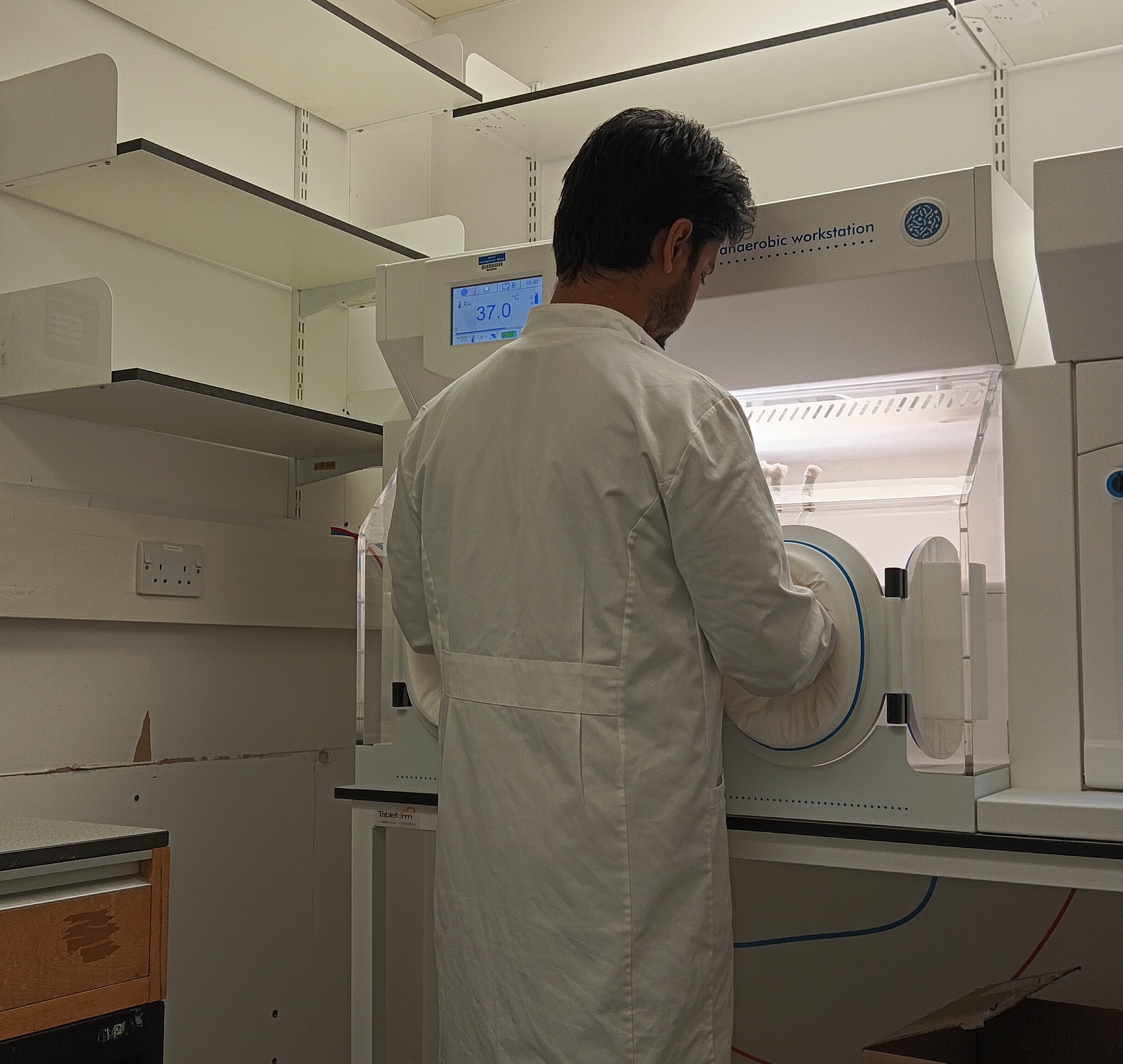
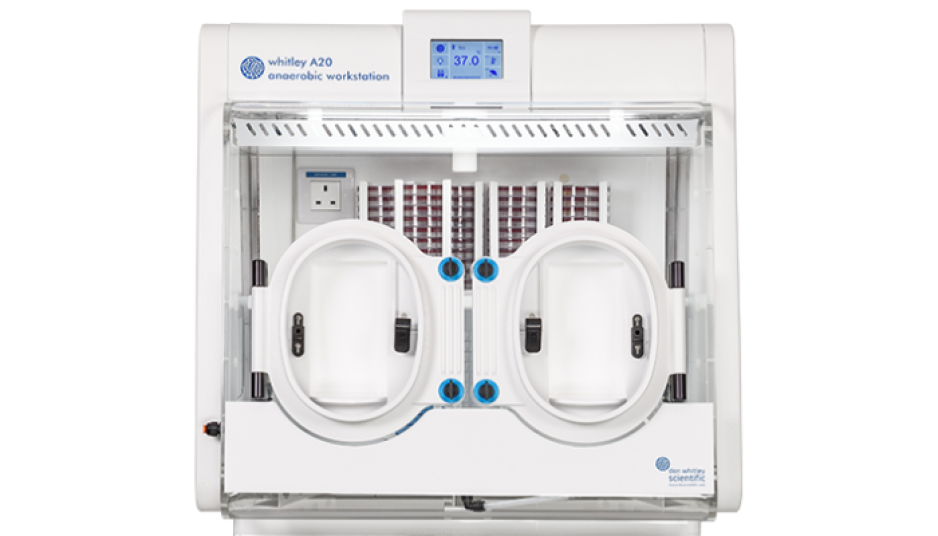
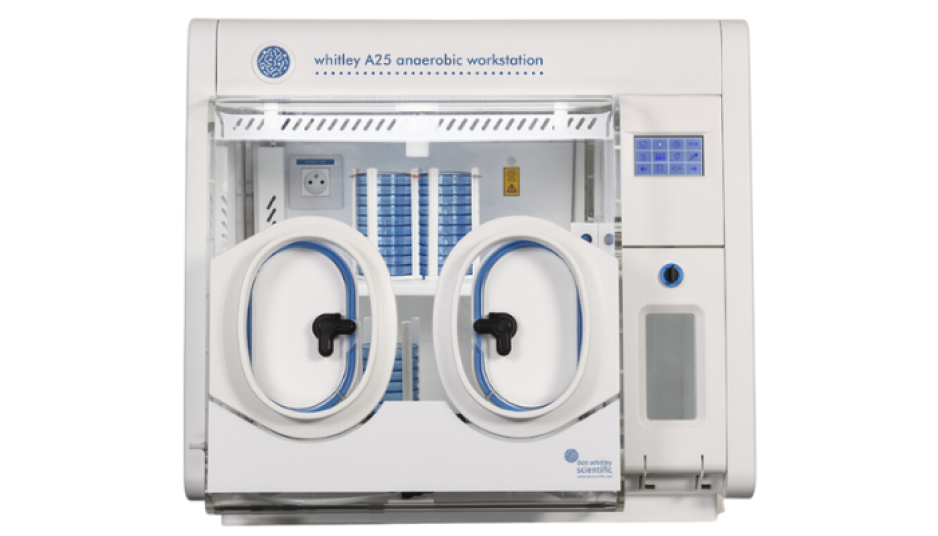
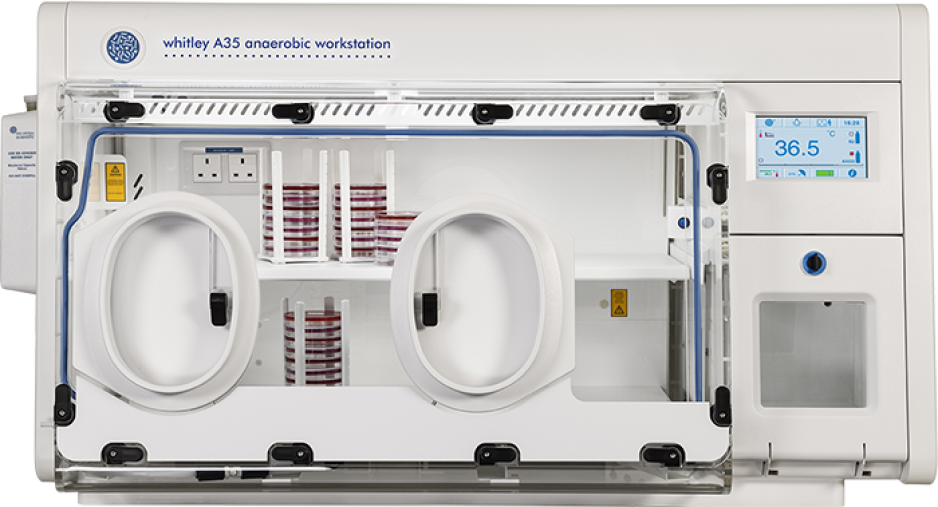
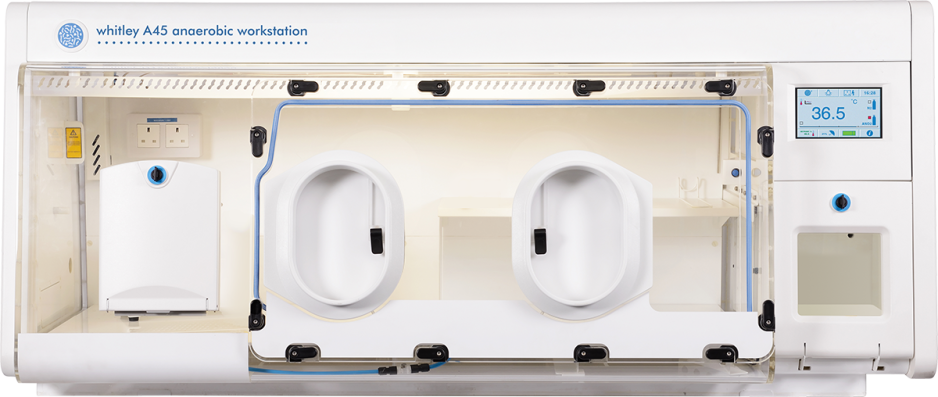
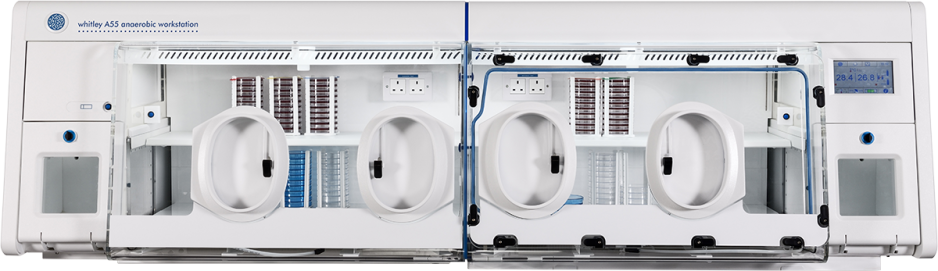
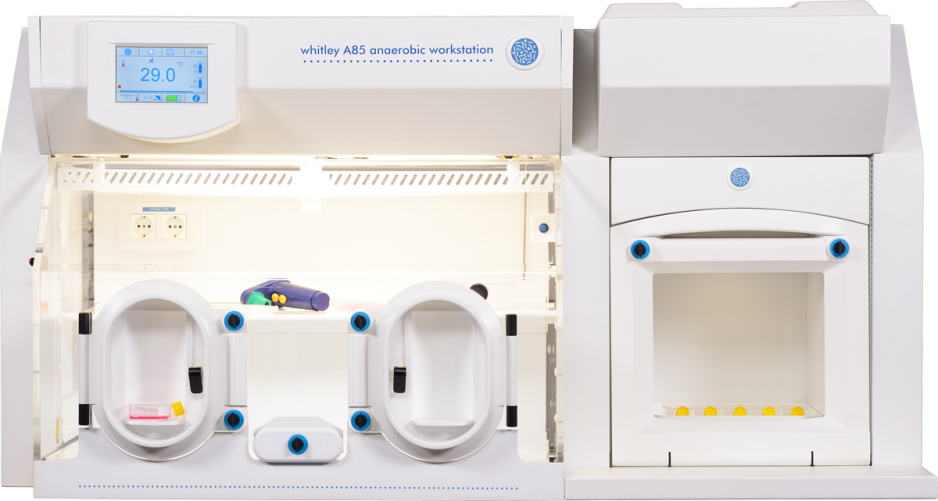
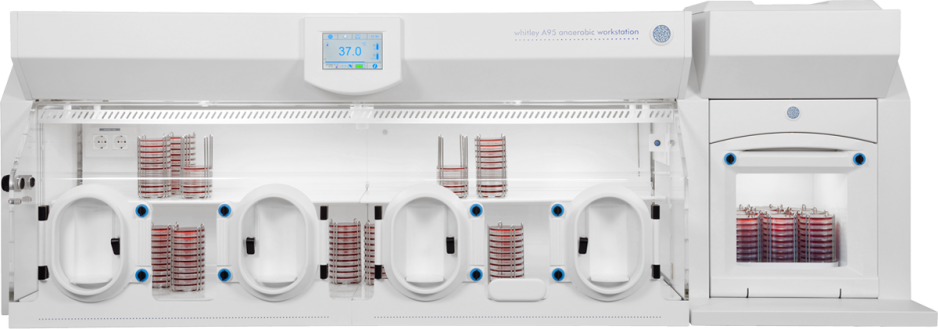
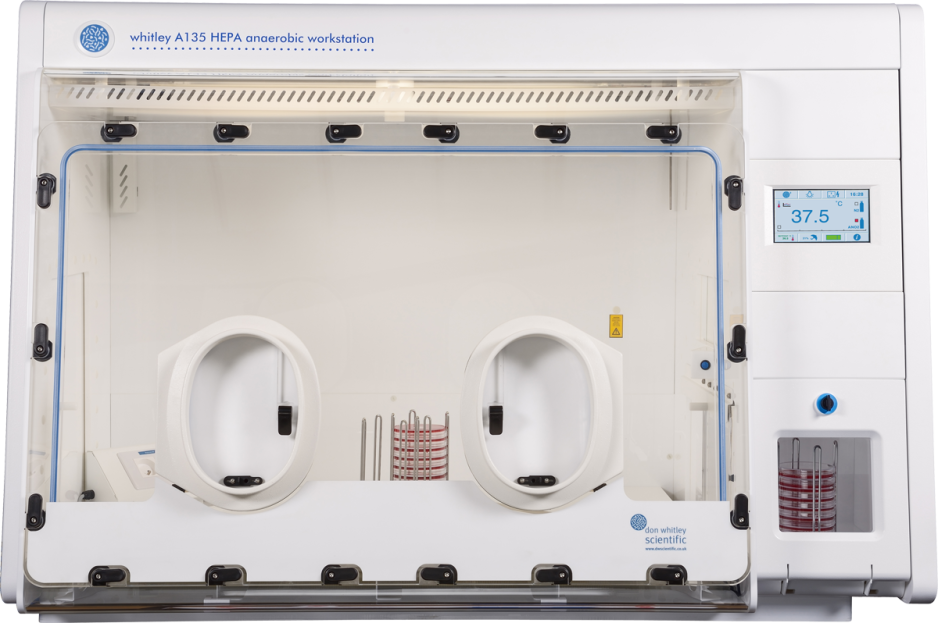
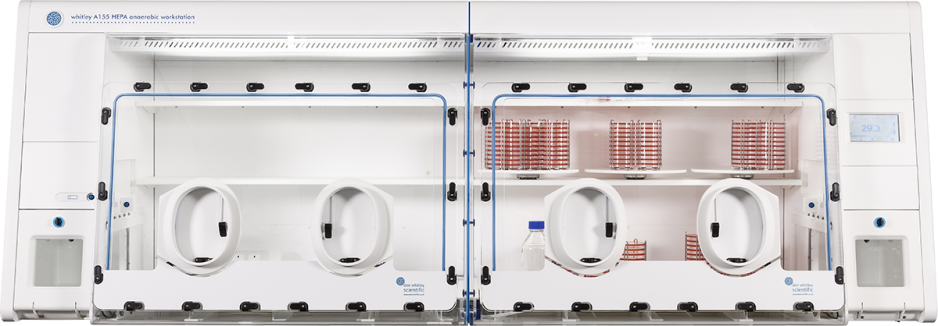
If you think that you might be eligible for the DWS Travel Grant, pleased visit our travel grant page for more details. If you're interested in our anaerobic workstation range, find out more below.



 England